
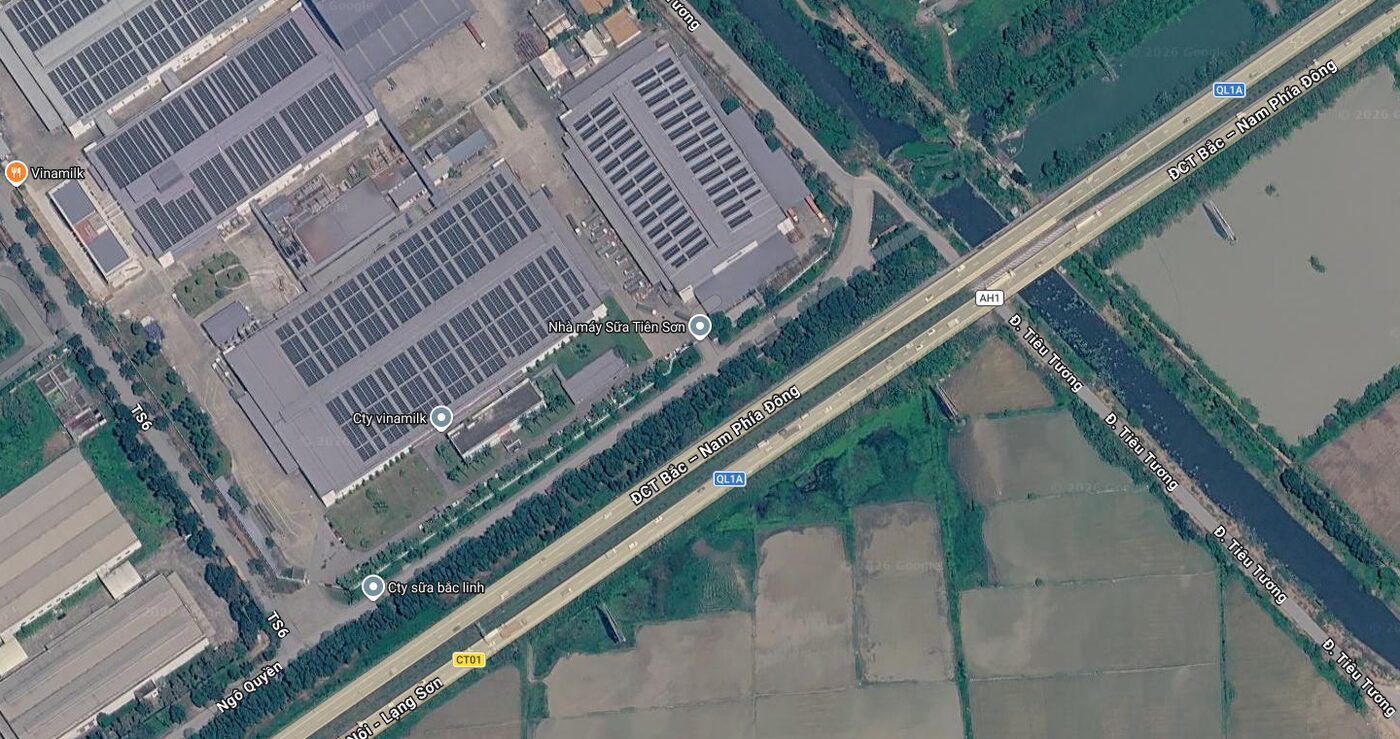
 Design – constructionSatellite imagery · Google Earth
Nhà máy sữa Tiên Sơn
Bắc Ninh•4.998,8 kWp
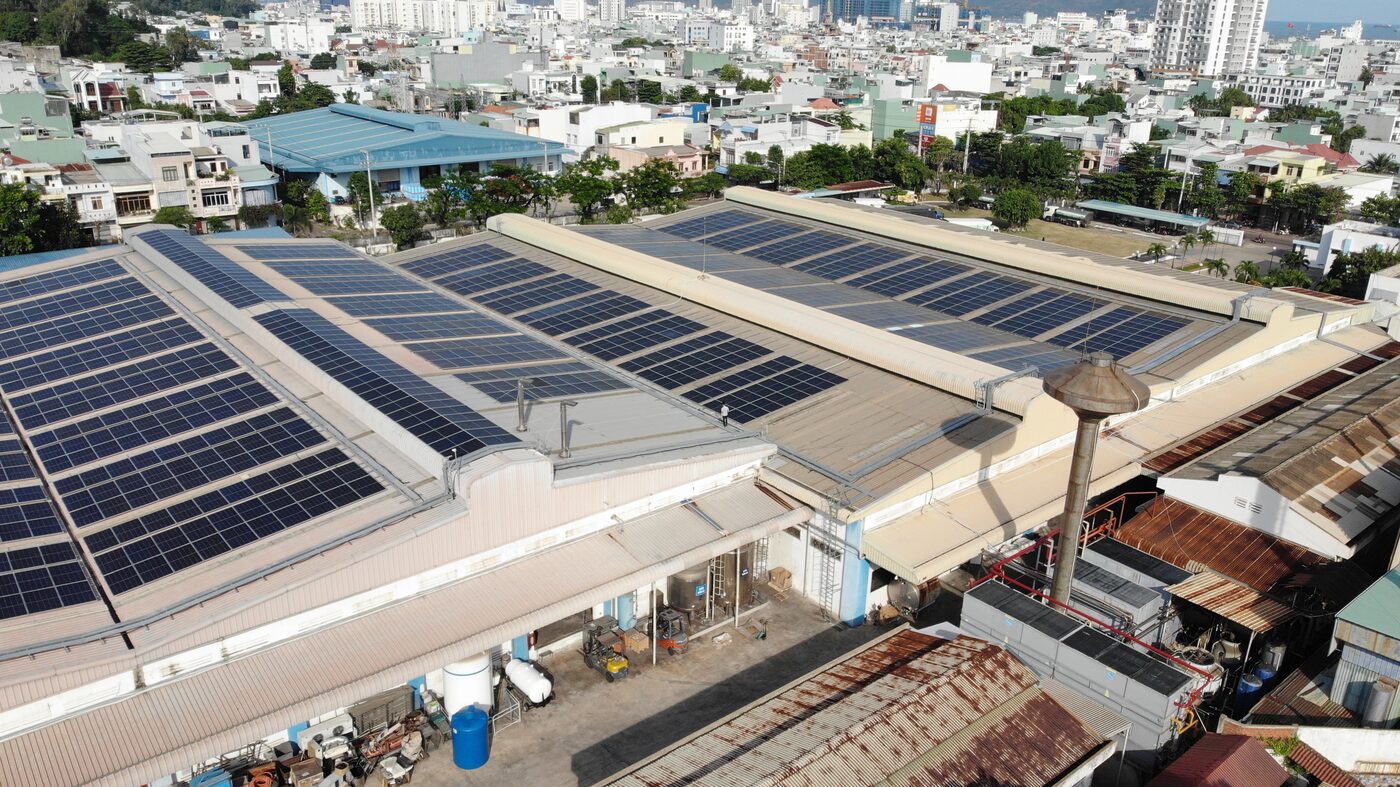
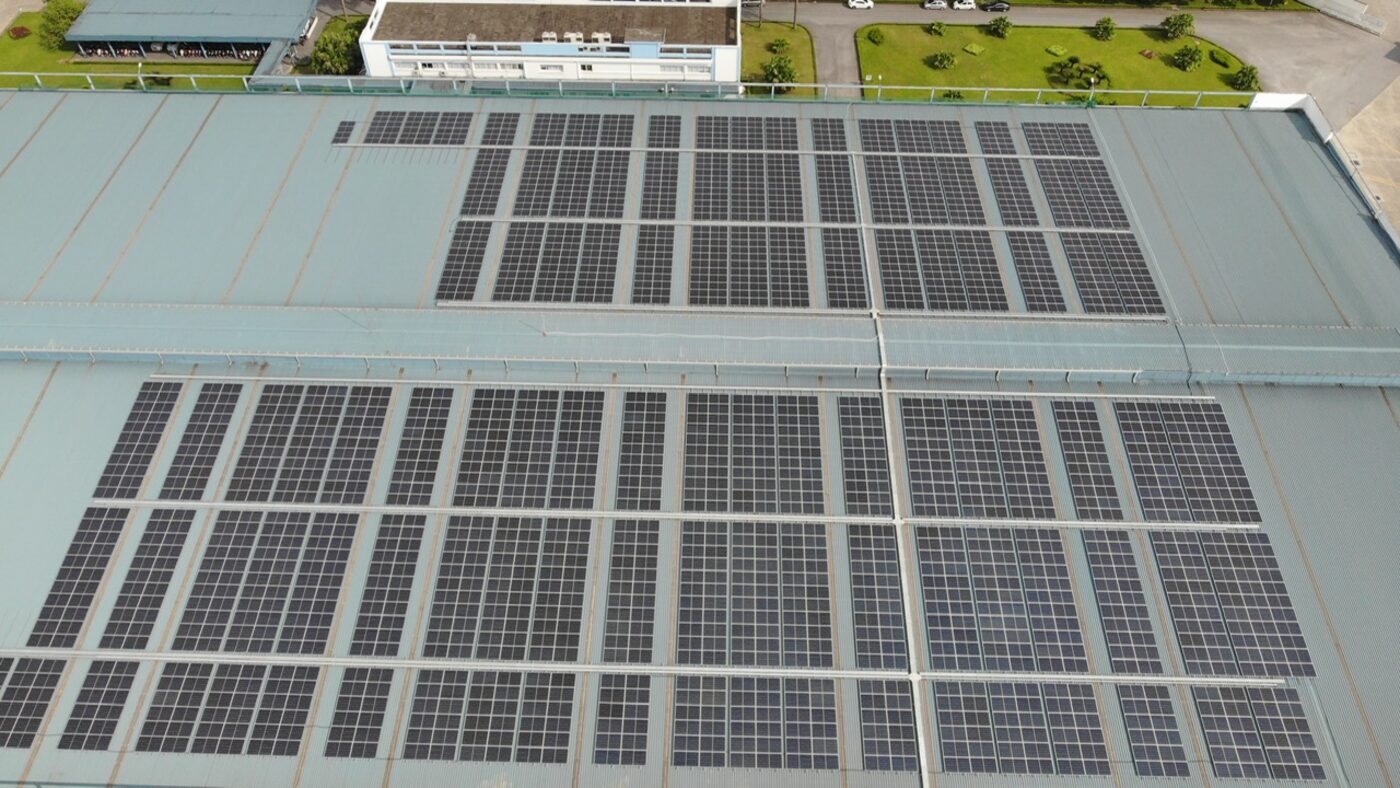
Project gallery
On-site photos taken by the PNE team together with satellite imagery of each plant, with capacities as recorded in the project files.
Design – constructionSatellite imagery · Google EarthBắc Ninh•4.998,8 kWp
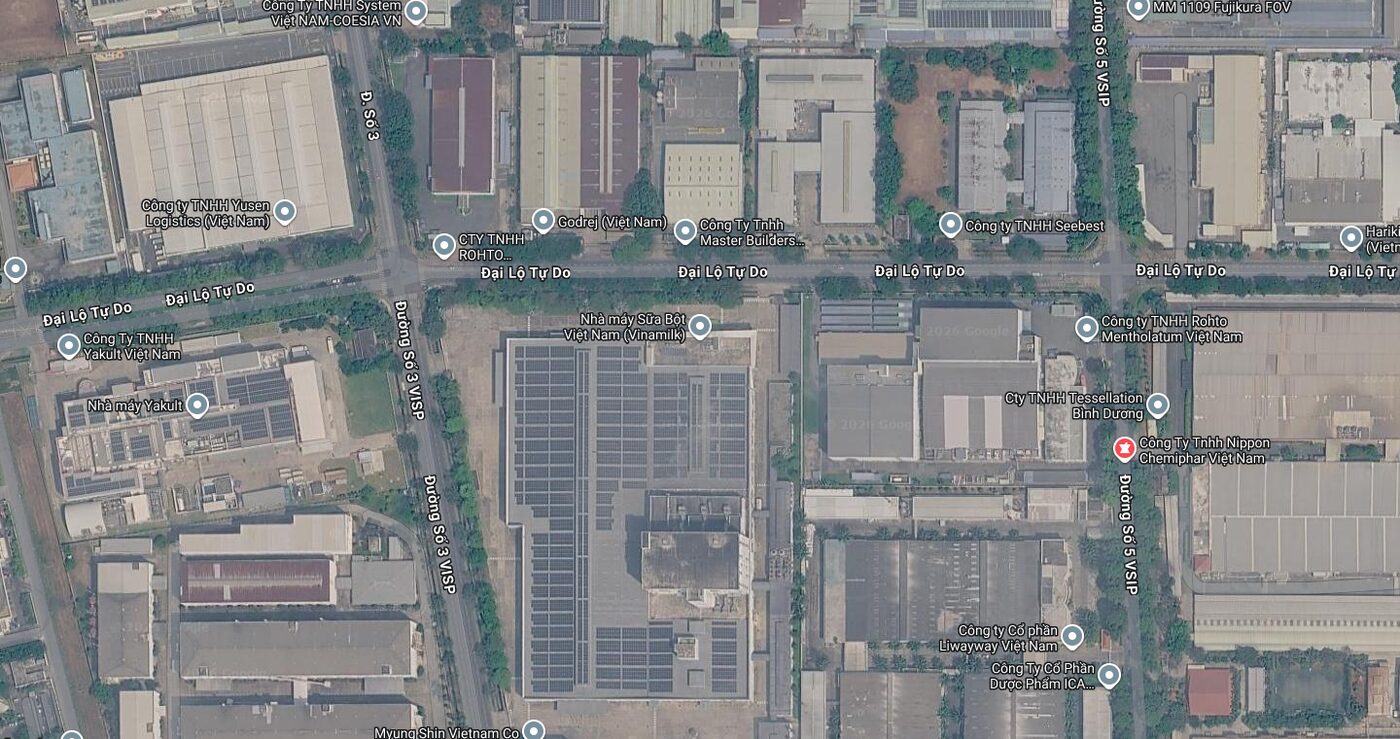 Design – constructionSatellite imagery · Google Earth
Bình Dương•2.499,2 kWp
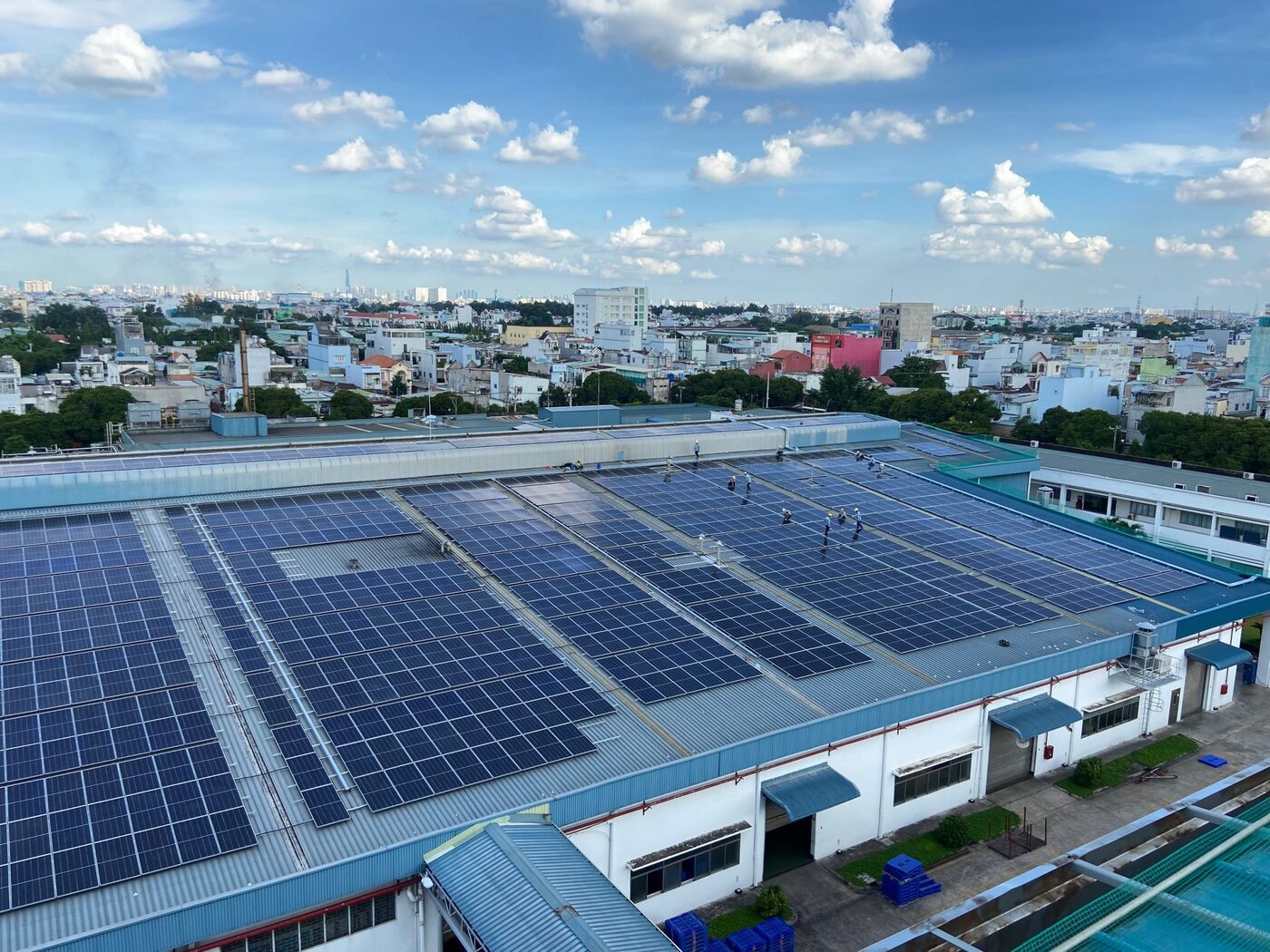
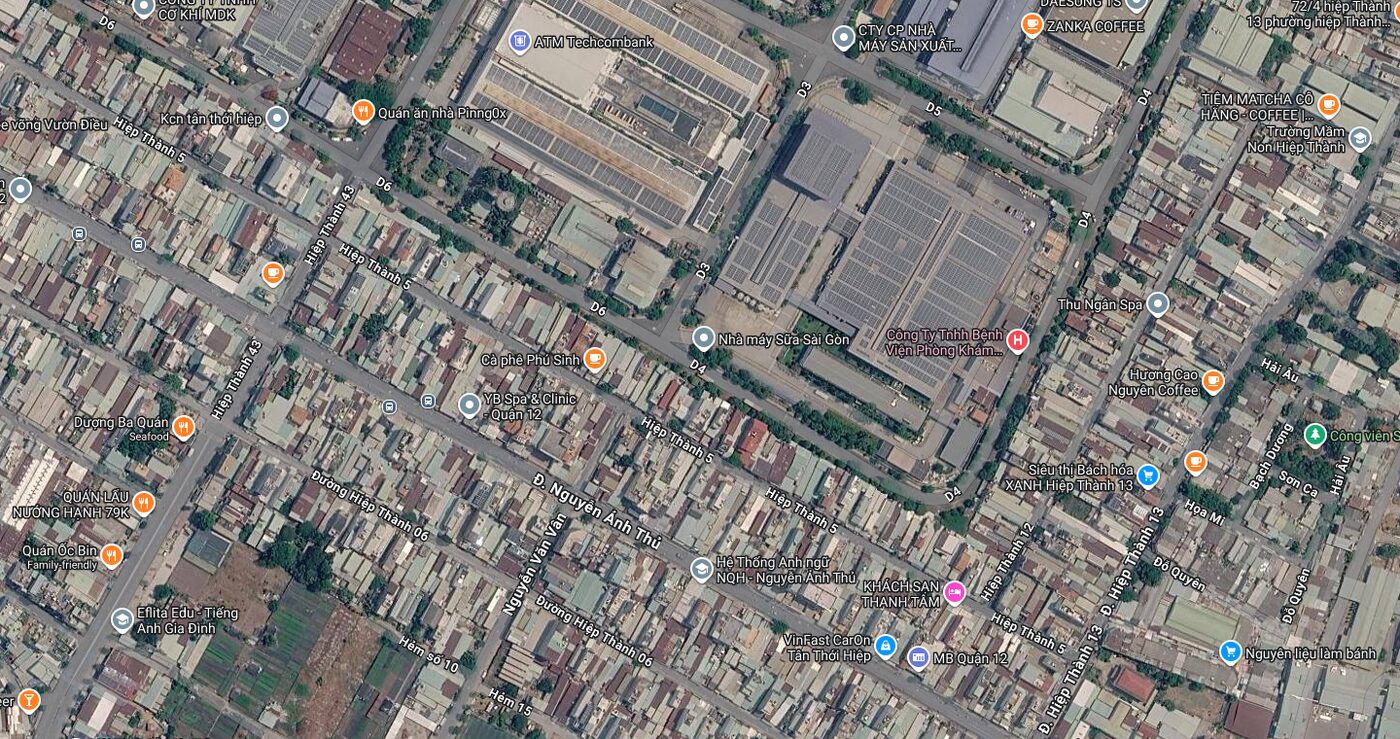 Design – constructionSatellite imagery · Google Earth
TP. Hồ Chí Minh•1.613,08 kWp
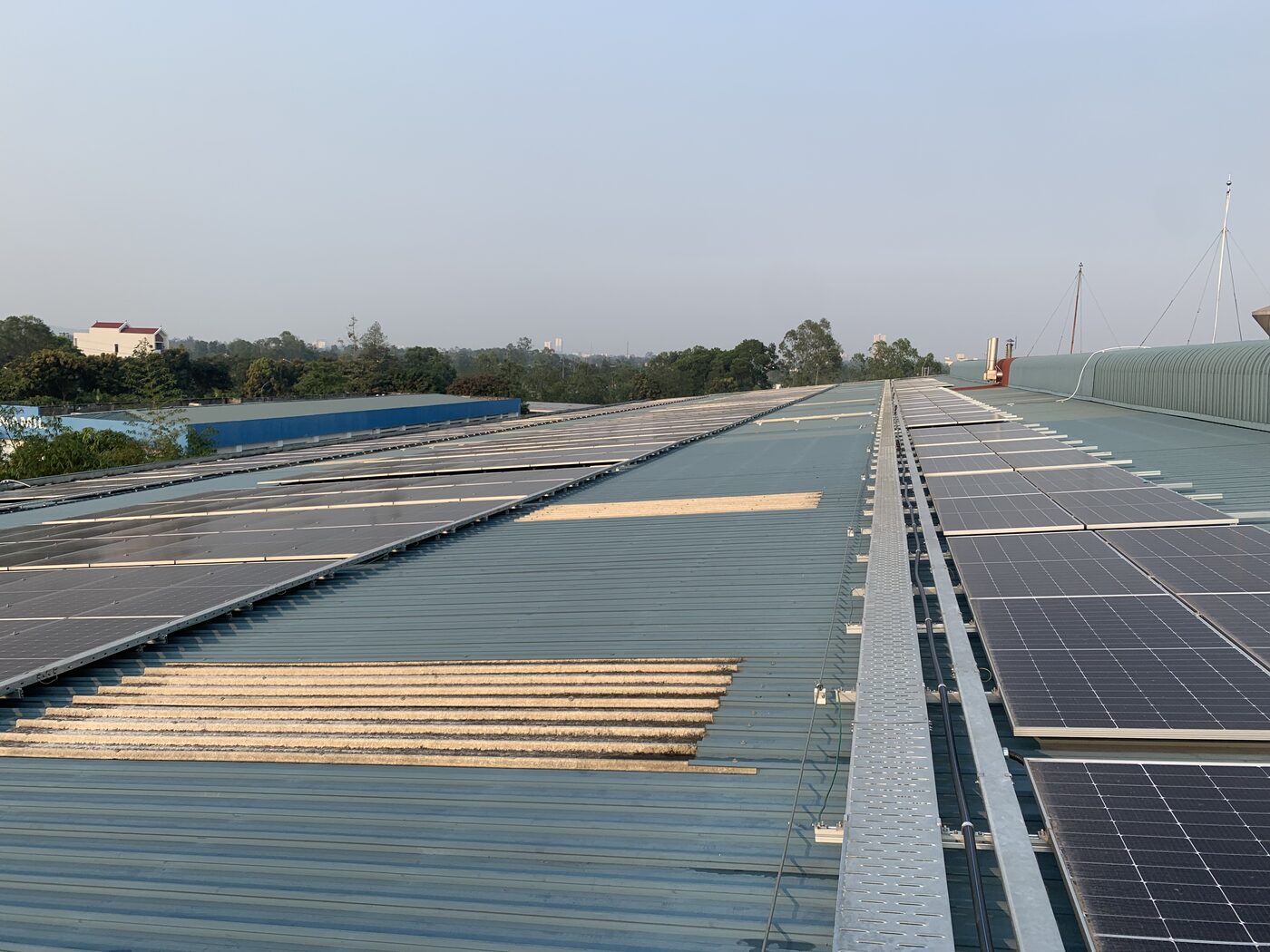
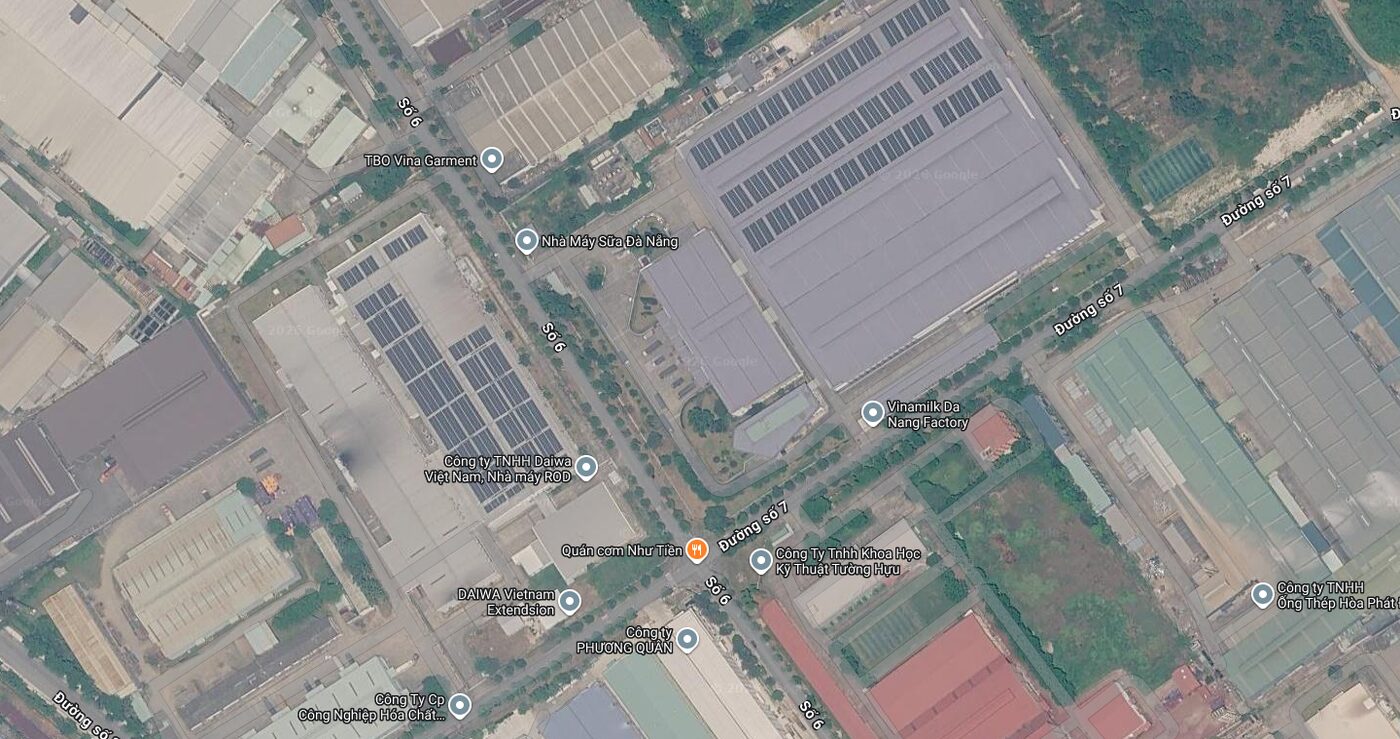 Design – constructionSatellite imagery · Google Earth
Đà Nẵng•1.249,6 kWp
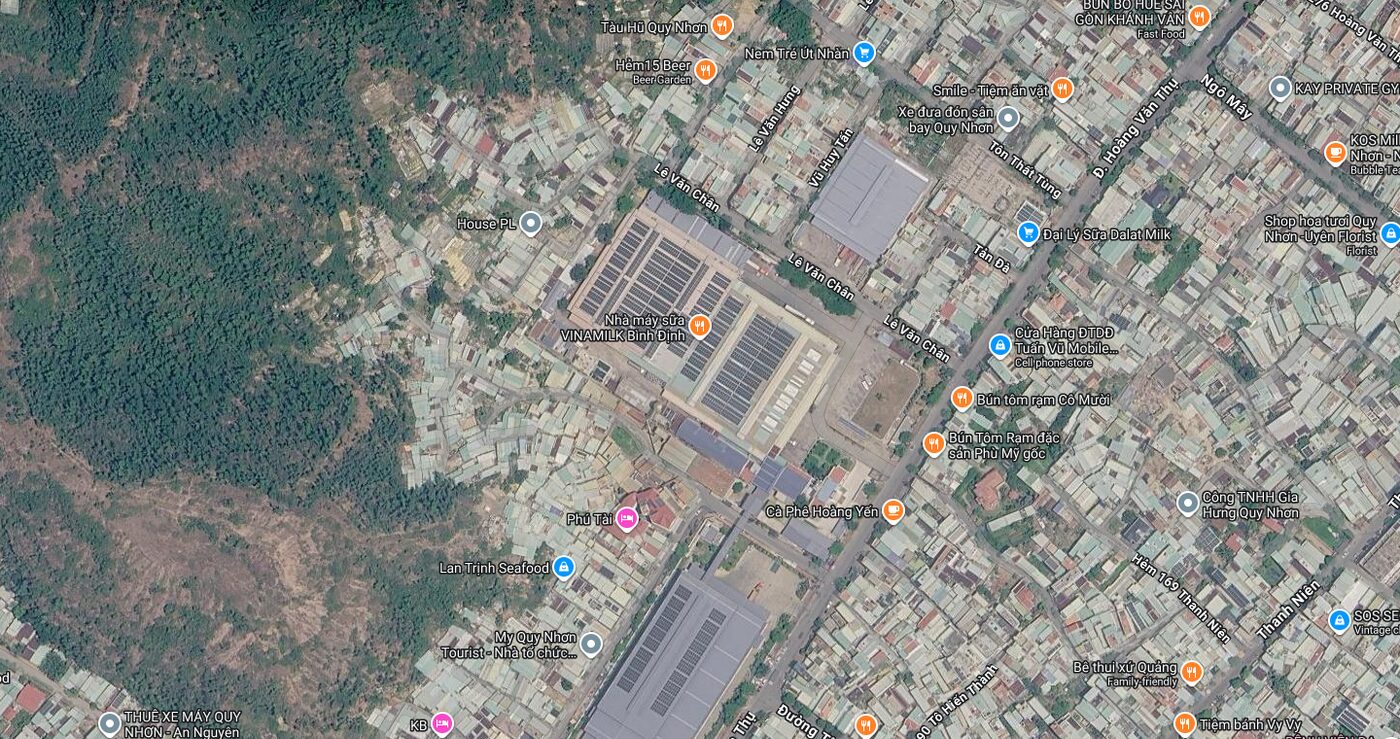 Design – constructionSatellite imagery · Google Earth
Bình Định•1.249,6 kWp
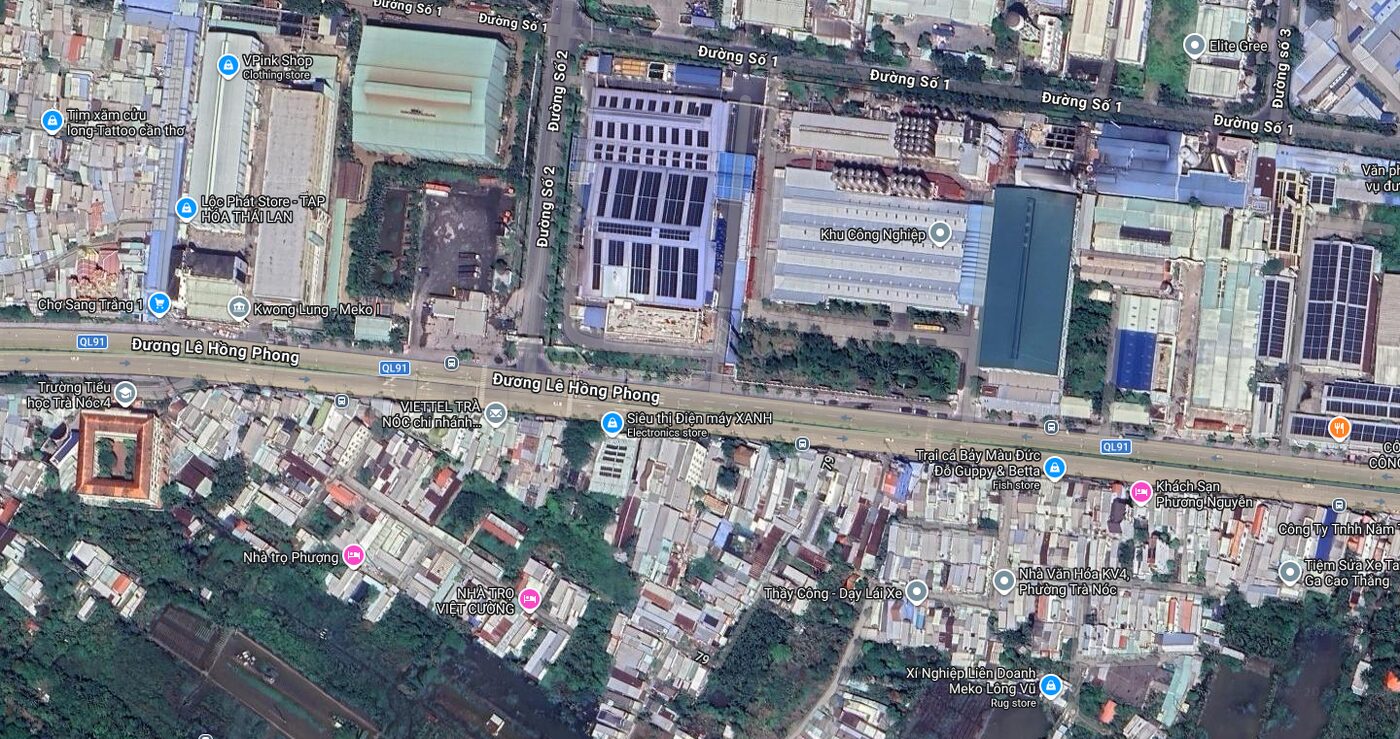 Design – constructionSatellite imagery · Google Earth
Cần Thơ•1.249,6 kWp
Project names and capacities follow the capability profile of member company PNE. Satellite imagery captured from Google Earth/Google Maps; site photos from the project files.
Track record
PNE's core team comes from Lumen Energy Vietnam and has designed and built rooftop solar systems since early 2019, completing projects for large manufacturing plants across the country.
14.9 MWp
Total capacity designed and built
9
Completed plant projects
2019
Rooftop solar delivery since
Tay Nam steel plant
Supervision and assessment of the existing solar system and the new project, optimisation of electricity use and integration of battery storage.
Petrolimex
Analysis and assessment of a solar option at a fuel storage depot.
Nippon Sanso
Analysis and assessment of solar options for plants across the group.
Figures compiled from the company profile of PNE International JSC — the EPC member of Orca Group.
Case study
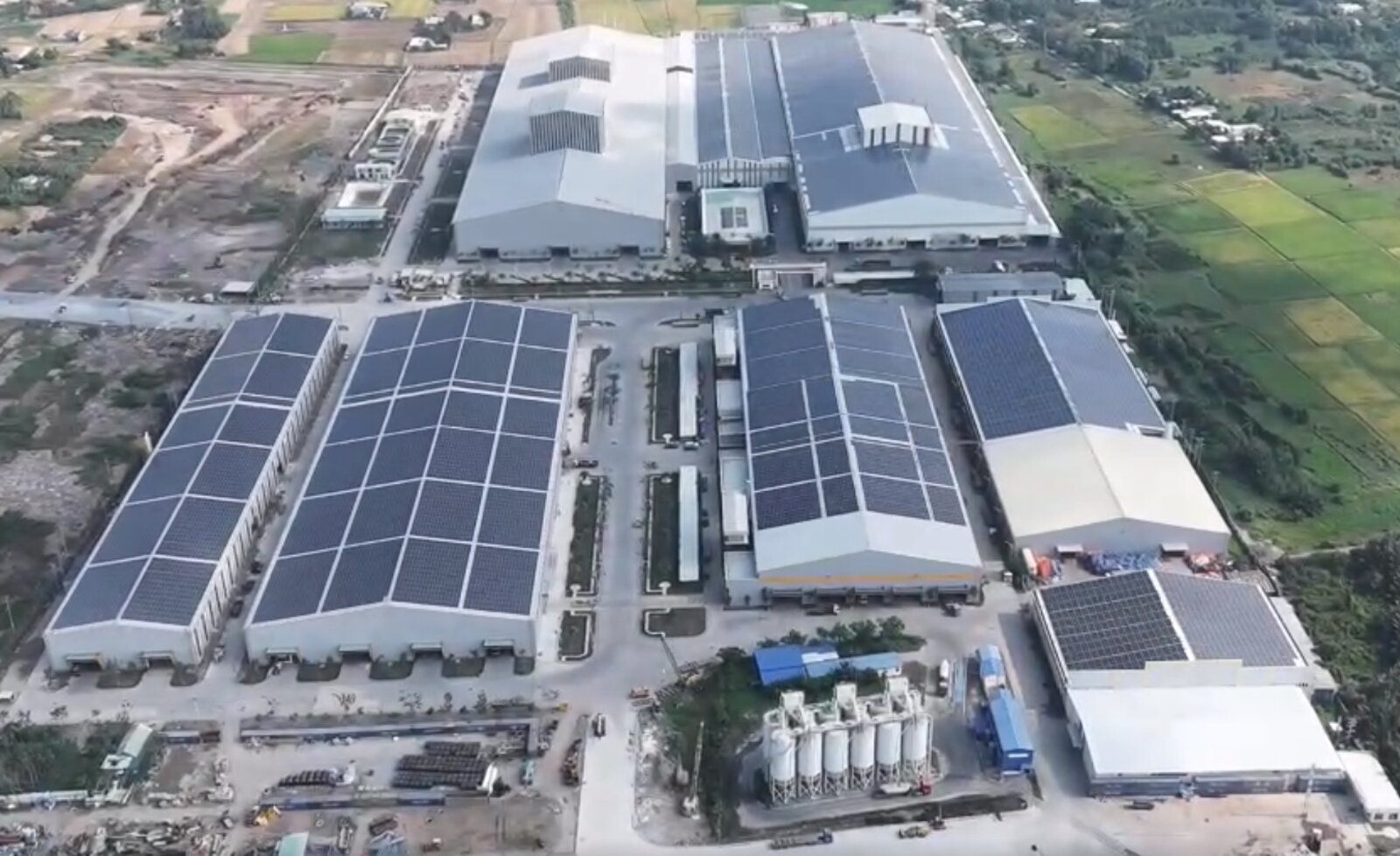
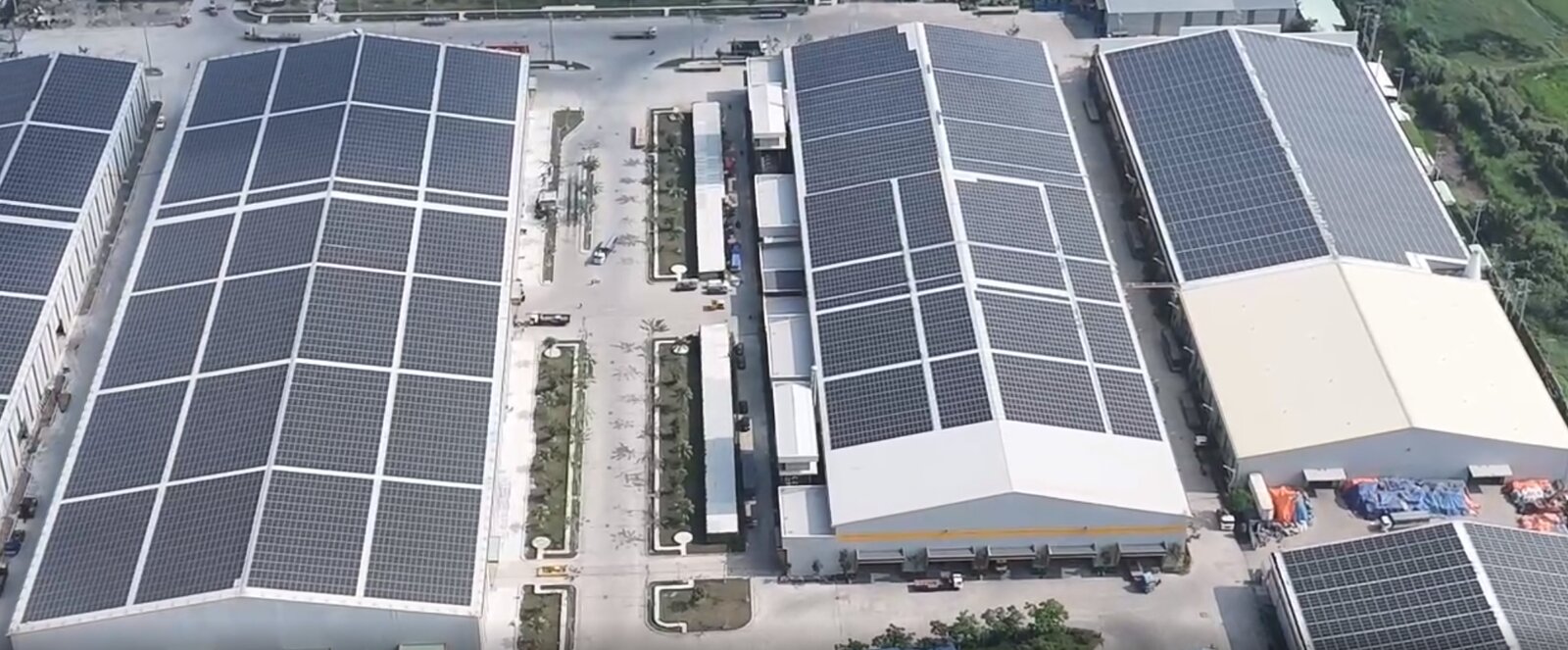
A rooftop self-generation, self-consumption solar system combined with battery storage for a steel plant in Thien Loc Thanh industrial cluster (Tay Ninh), with technical advisory, load simulation and storage sizing by Orca Group and PNE.
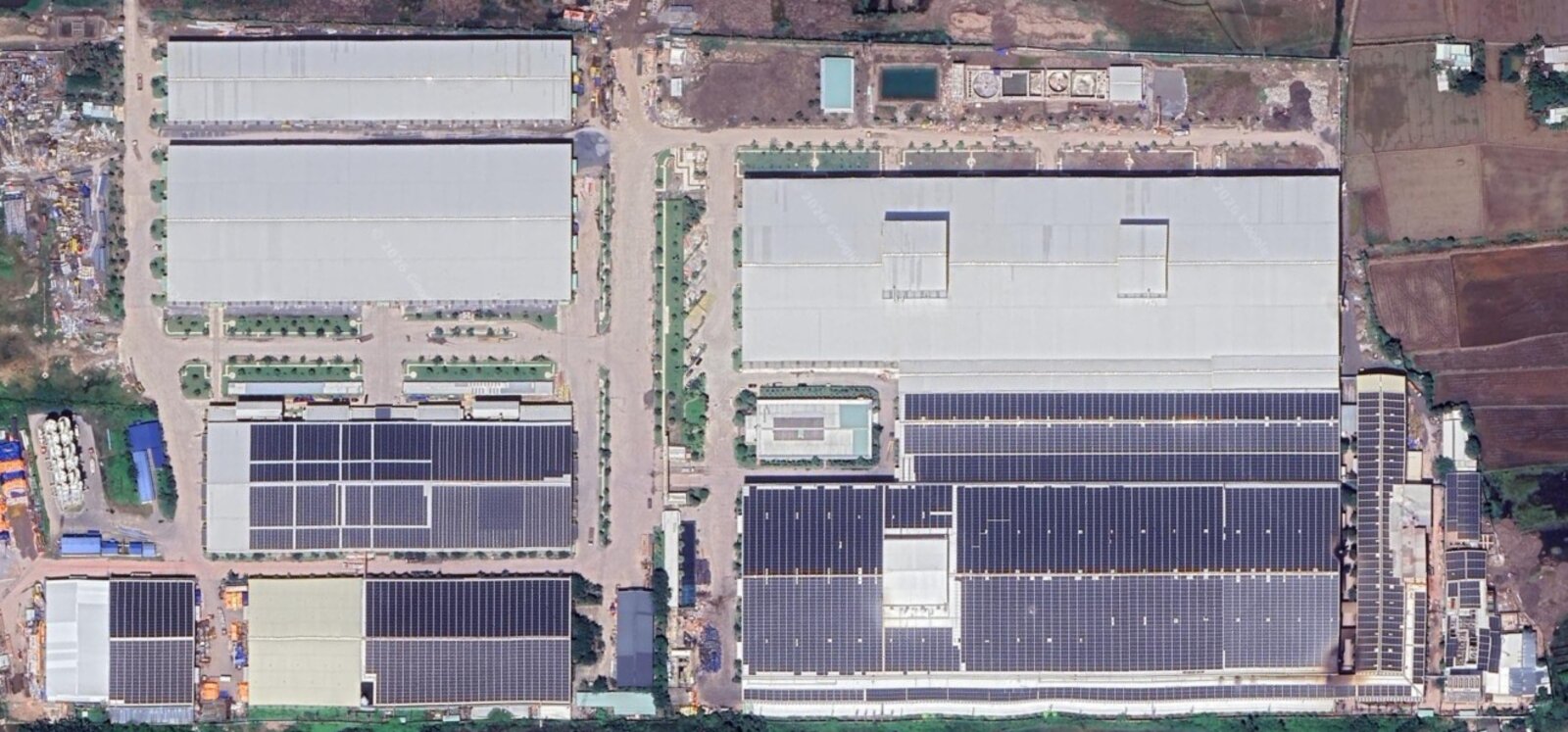
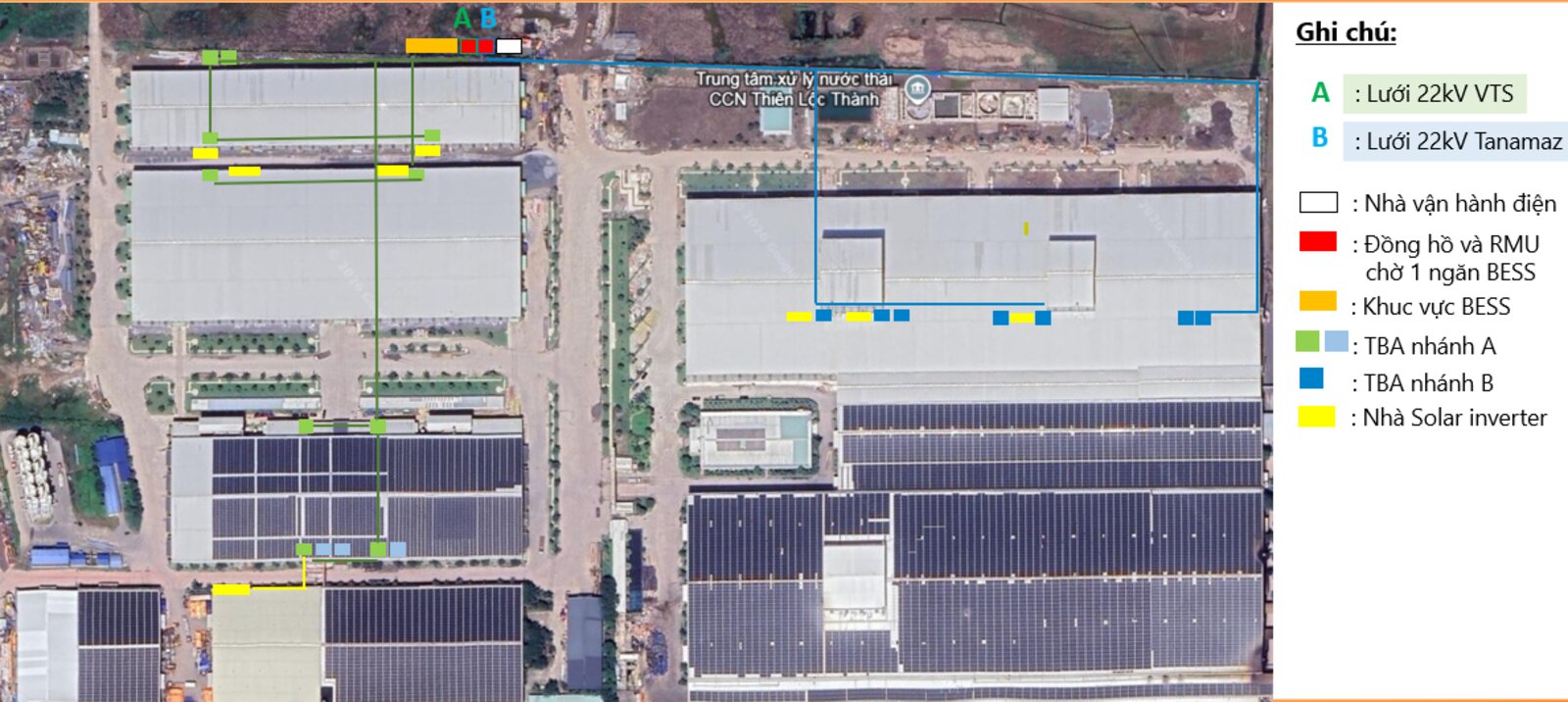
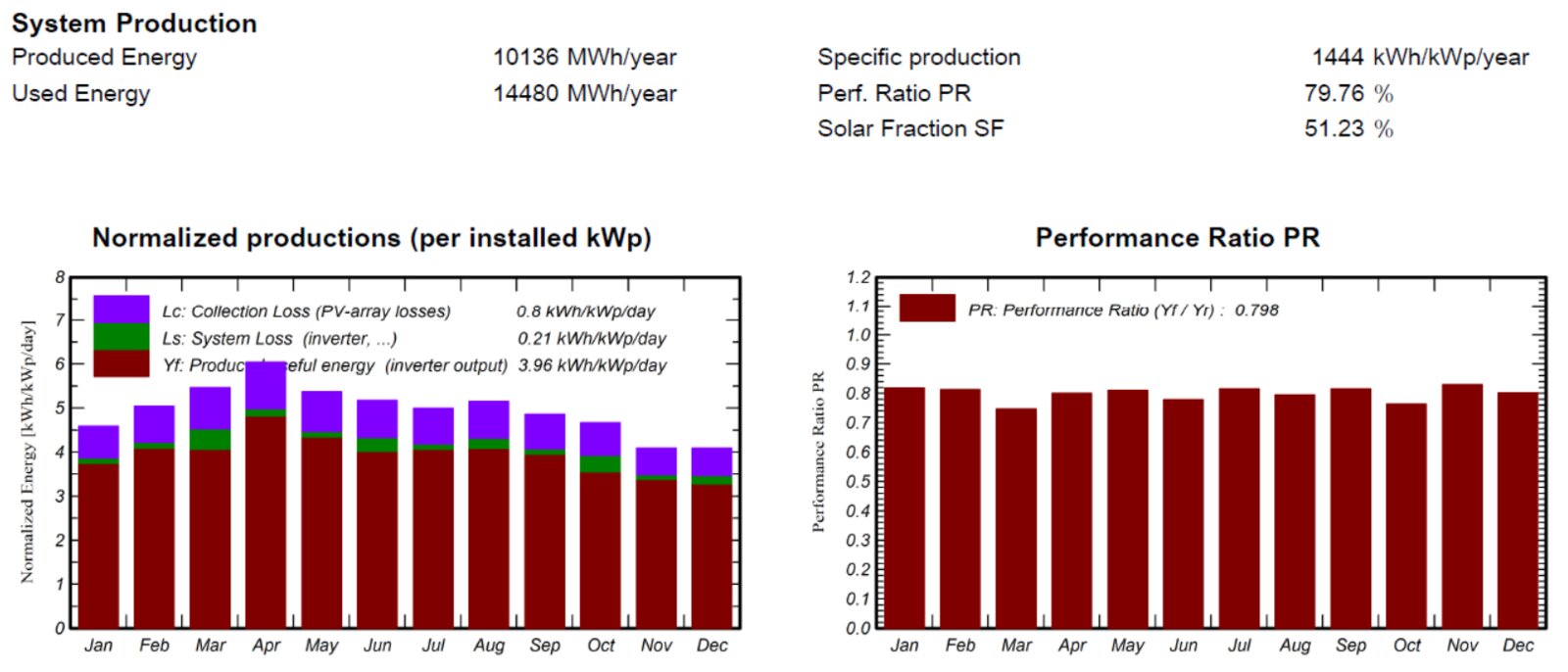
Load simulation per metering system
System 1 consumes 14,480 MWh a year with a 73.2% solar self-consumption rate; System 2 consumes 44,914 MWh a year at 98.8% — the basis for sizing the battery behind each utility meter.
Load shifting against the three-band tariff
Charging during off-peak hours or from surplus solar and discharging at peak; the off-peak to peak spread referenced from Decision 1279/QD-BCT is VND 2,208 per kWh.
Peak shaving ahead of the two-part tariff
The battery flattens the load profile, lowering peak demand from the grid and the capacity component once the two-part tariff applies.
Full use of surplus generation
Surplus solar output — averaging 7.45 MWh a day on System 1 — is stored for evening use instead of being curtailed.
Figures from the project techno-economic report (April 2026 version); actual output and savings depend on irradiation, load and the electricity tariff at the time of operation.
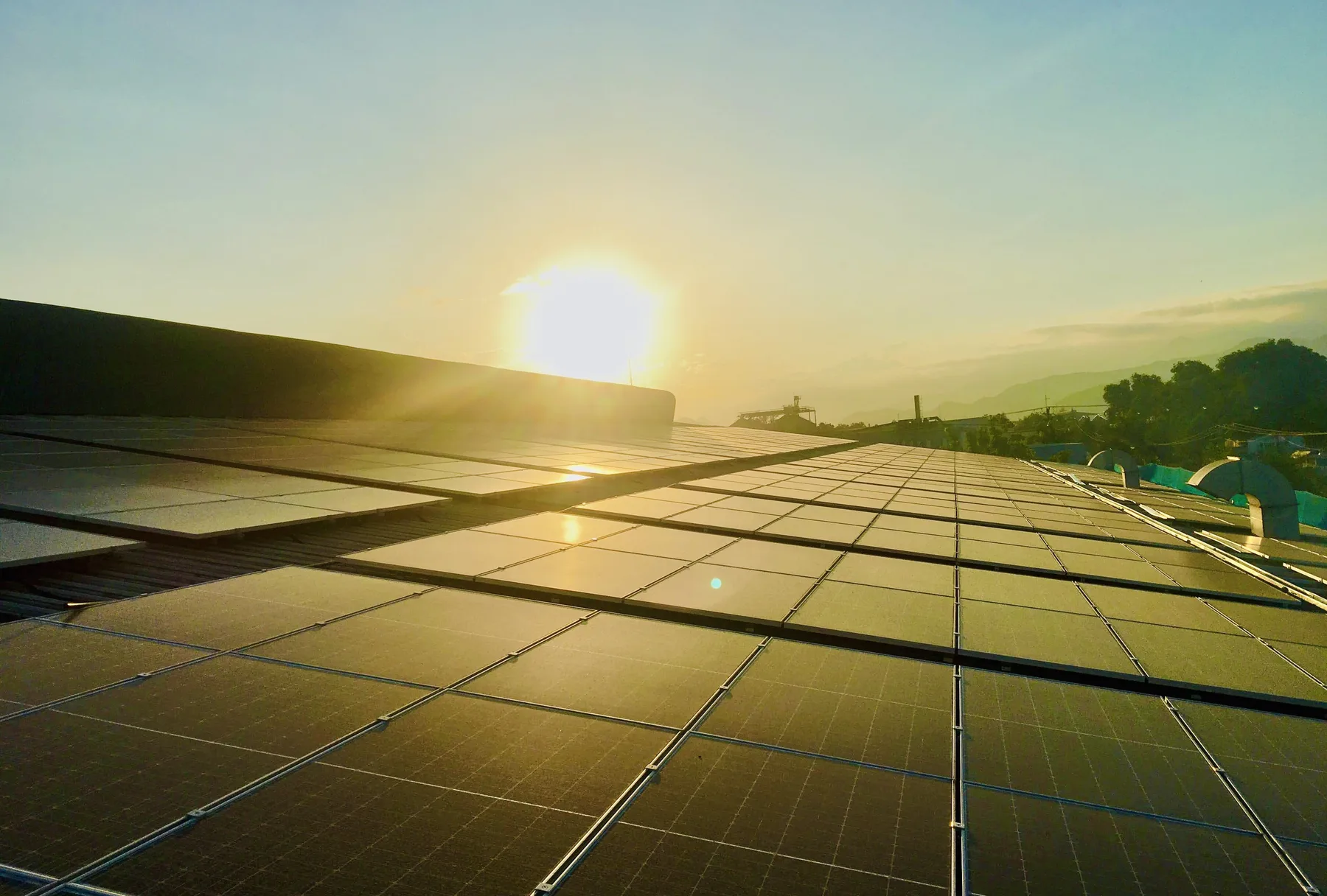
Send us your last three electricity bills and Orca Energy will calculate generation, savings and the right investment option — free of charge.